As a proud sponsor of the 168 Film Project ROUSH Media will be awarding three $1,000 gift certificates to the Best Editor, Cinematographer and Film. The certificates will cover Post-Production services including DI Color Grading, Blu-Ray & Digital Cinema Mastering, Edit Suite & Screening Room Rentals
The 168 Film Project is a faith friendly, values-friendly practicum for artists focused on the media. 168 provides a proving ground for filmmakers, writers, actors and all interested in creating stories for popular culture.
On Aug. 10, 2013, the Best Short Filmmaker will win a feature film production budget up to $1 Million (minimum award $250K) Details here.
More than an international short film competition, “168” asks deep questions. Filmmakers, writers and audiences alike explore scripture as they go. Is it really relevant today? Whether subtle, or bold in message, “168” stories change lives and help to redefine the genre in terms of quality and inspirational message.
Please understand that taking story from scripture does not mean you must make the next Jesus movie. To do well in 168, artists must make compelling entertainment. Pop culture needn’t be at odds with faith-based, faith-friendly or values entertainment. We value all three. See examples here.
The 2012 festival was a great success and we enjoyed viewing the many short films made by talented filmmakers. We cannot wait to see what is in store for the 2013 festival.
At ROUSH Media we are proud to support the vision of Christian Filmmakers.
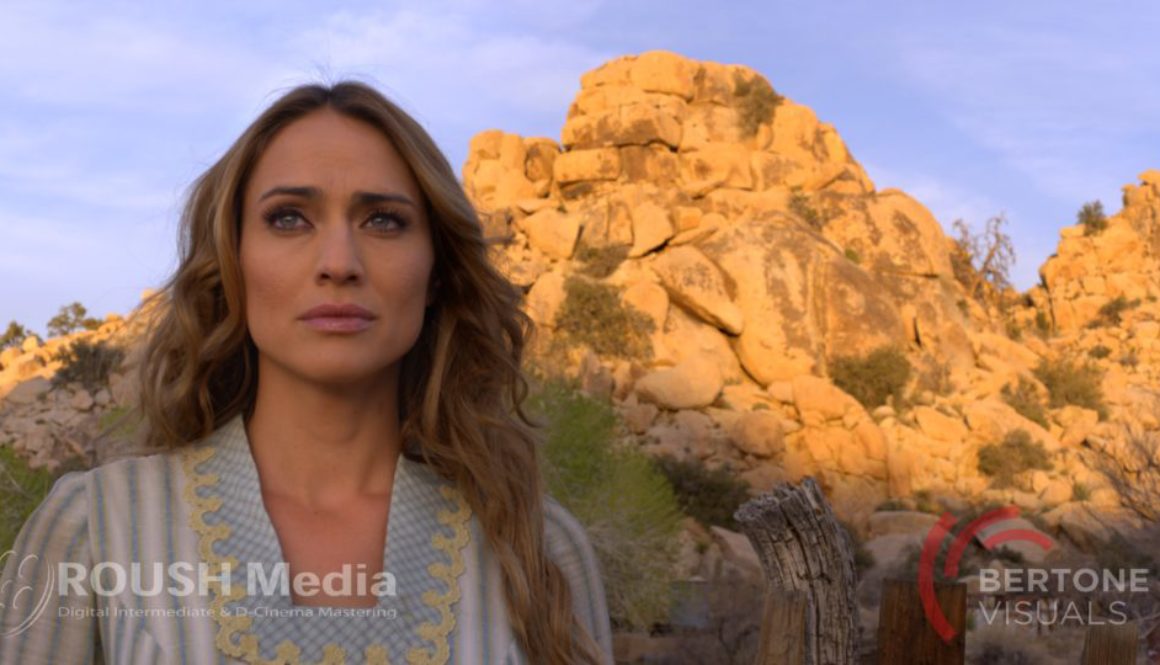
This short film was shot in Joshua Tree National Park on the Sony F65 by Bertone Visuals. Here at ROUSH Media we generated ProRes QuickTime dailies using the DaVinci Resolve for a Final Cut Pro edit. Then we conformed the footage in the Nucoda Film Master using 16-bit OpenEXR (S-gamut, S-Log2) files at 4K (4096×2160) and graded them in our theater in P3 color space. After mastering out for Digital Cinema & Rec-709 we compressed an H264 Quicktime for YouTube.
Off-Line / On-Line Color Grading? A new service for Colorists & Indie Films
ROUSH Media has just announced a new service they are providing at their DI boutique post facility in Burbank, CA–integrating the idea of offline/online editing to color grading and finishing. ROUSH Media seeks to give freelance colorists and indie filmmakers a facility to call home with the full support of their engineering staff so colorists can do what they do best–color grade. For the savvy independent DIY filmmaker these color services are a perfect blend of the full service DI facility support and the cost saving of the DIY filmmaker.
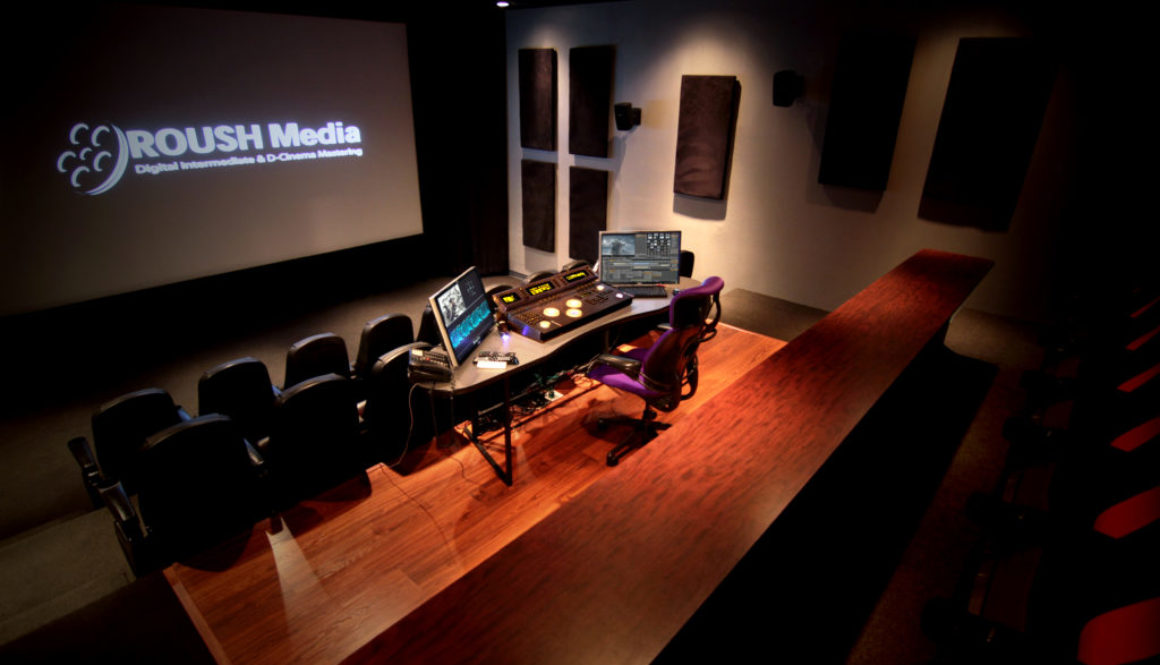
This service provides colorists with the option of choosing between two color grading platforms, the Nucoda Film Master and panel or the DaVinci Resolve with Black Magic’s grading panel. Both are offered in the DI Theater and grading suites. The theater is equipped with a state-of-the-art 4K Barco projector for monitoring in P3 color space, and the calibration is checked before each session to maintain the highest standards.
For clients, this will provide cost savings and increased attention to detail while boosting the quality standards for Indie projects. The amount of time colorists can give to a project is usually limited by the budget. If colorists are able to use a low cost suite to do much of the color grading in and then move into the large DI theater for a final trim pass for mastering, higher quality work can be done within the same limited budget.
Besides the colorist and system, the monitoring is the most important piece of technology in the room. Lower cost monitors often introduce problems that may or may not be in the footage itself, such as banding, noise, poor shadow detail, aliasing, color calibration problems, and more.
Having a complete color grading environment with calibrated monitoring, scopes, and a color management system is an ideal working atmosphere for colorists and their clients. This provides peace of mind knowing that what they see is what they get when using ROUSH Media’s engineering & color science.
For freelance colorists who work at home or remotely, this service allows colorists to hold client sessions with ease while having the option of using the staff at Roush Media in areas such as media management, conform, color space and Luts management, and deliverables. ROUSH Media’s Senior Colorist is also available to collaborate on the project for whatever may be needed.
Services Offered:
Resolve Offline Grading at home or in a low cost suite
Hold a session with your client in a professional color grading environment
Use our state-of-the-art 30 seat S3D, 4K Barco Theater for final grade
Check for look of final film or DCI Mastering in the DI theater
Use our Calibration & LUTs for your Color Management
Let us take care of your conform and/or Deliverables
Cost effective: includes the full support of our systems and staff
No matter what the budget is, ROUSH Media is there to help you exceed your client’s expectations with the full support of a top DI Post Production Facility. So don’t get lost in the dark! Quality control your image in the perfect grading environment!
BURBANK, Calif. – Roush Media completed the color grading on the feature film “The Lost Medallion: The Adventures of Billy Stone”, which opens in theaters nationwide on Friday, March 1, 2013.
“The Lost Medallion” was written, directed and produced by best-selling author Bill Muir (“The Crossing”, “Invisible Enemies”) and was shot on a Red One by cinematographer Brian Baugh (The Ultimate Gift,To Save a Life). Senior Colorist Keith Roush and the full team at Roush Media were brought onto the project after Bill and Brian were not satisfied from the first color grade they received from their initial Colorist.
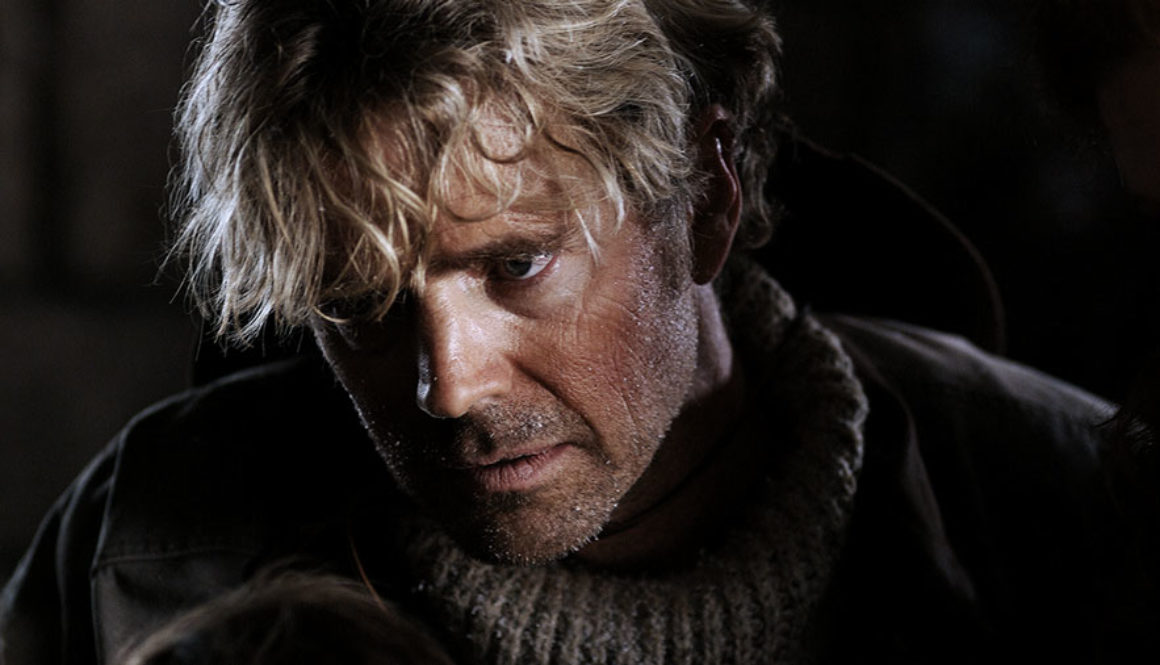
The edit was cut in FCP7 using QuickTime Dailies and the conform done in the Nucoda. Starting over from scratch and deciding to work with the R3D files in Log, the color grade was done in Roush Media’s DI theater, optimal for theatrical releases. After adjusting the metadata to create a clean slate for the grade, Roush was ready to bring to life Bill and Brian’s vision. “Working with RED cameras is great since you have the ability to adjust the color metadata settings to give you the full range of what the camera riginally captured,” says senior colorist Keith, “Color grading the film from the RAW files and in Log was ideal since most of the film was shot exterior and required a number of dynamic looks thus giving me more control over the image.”
Filmed primarily in Thailand, Roush enhanced the beauty of the locations’ warm tones, vibrant greens, while adding a hint of saturated colors, all to enhance the natural beauty of the lush tropical oasis. From a color perspective, the reproduction of the naturally vibrant and beautiful colors of the beach presented a challenge. The look that was created was achieved through layer work and secondaries, allowing the audience to experience the natural beauty of the stunning scenery, while creating a hyper-real postcard image to complement the fantasy-based nature of the story.
As the film progresses and moves to the world of the antagonist, we are introduced to an underworld lit by fire and a color palette filled with red, yellow and orange to create the feeling of an evil environment. “Color acts as a subconscious communication tool and can be used to affect feelings and moods. Using color creates emotion visually to create a dynamic story to captivate the audience into this fictional world.,” Keith continues, “We visit many scenes were we enter the world of the antagonist, we wanted to deliver the feeling of fire and evil to the audience using a warm palette. The rich golden skin tones complemented the scene and worked very well with the actors complexion enhancing the warmth of the scene.”
All this subtle color work enhanced the costume and sound design to create the feeling of evil that surrounds the antagonist kingdom. The looks that were created for this film, the vibrant tropical oasis and the dark fire lavished caves, clash against each other to visually present the battle of good versus evil. “It was great to work with Bill and Brian and learning how to paint the big picture by hearing the story from their point of view. At the final review the color palette we choose really pushed the film to the next level,” says Keith.
Roush Media also provided Digital Cinema Mastering for the films theatrical deliverables. They created Digital Cinema Packages (DCP, a digital film print) for both the trailer and feature. Since the film’s DI was also done at Roush, the film’s colorist managed the color and quality of the DCPs so that the audience will see exactly what the filmmakers vision originally was in a theater environment.
Archaeologist Dr. Michael Stone looked for the lost medallion his entire life, and now his son Billy (Billy Unger; Disney XD’s “Lab Rats”, “National Treasure”, “You Again”) has taken up the search in “The Lost Medallion: The Adventures of Billy Stone”. After the medallion ends up in Billy’s hands, a spontaneous wish in a precarious situation takes Billy and his bet friend Allie (Sammi Hanratty; “American Girl”, “A Christmas Carol”), back 200 years to what they realize is a very different Aumakua Island. When Billy and Allie are not jumping off waterfalls, avoiding animal traps, crossing the ocean, sneaking through caves or escaping a prison, they’re facing their nemesis Cobra (Mark Dacascos; “Iron Chef” “Hawaii Five-O”), who wants nothing more than for them all to disappear. With no other way to get home, and the wellbeing of the entire island resting on his shoulders, Billy must discover the key to reclaiming the medallion and its tremendous power. One way or another, this adventure will change Billy, and life on the island, forever. Roush Media is a boutique post-production company providing finishing services for Film, TV, and Commercials. Catering to the needs of the smaller production company and the independent filmmaker; Among the services offered are Finishing & Editing, DI Color Grading, Digital Cinema Mastering & Deliverables.
For more information, please contact Nicole Garcia at (818) 559-8648, or nicole@roush-media.com.
ROUSH Media would like to announce that 10,000 Days, an original web series created by Eric Small and shot entirely on the RED camera, has been nominated for various IAWTV and STREAMY Awards. With DP Marco Mazzei, Visual Effects by CafeFX, and Sound Design by Tom Myers/Skywalker Sound, 10,000 Days is the story of Comet 23 which struck the Pacific Ocean with the magnitude of all the nuclear weapons in the world. The Beck family was among the lucky few who survived the heat blast and firestorms. And then the freezing began…
Congratulations 10,000 Days on the following award nominations:
IAWTV Awards (International Academy of Web TV):
Best Directing (drama)- Eric Small
Best Cinematography- Marco Mazzei
Best Design (Art Direction/Production)- Mimi Gramatky
Best Costume Design- Rita Riggs and Shawnelle Cherry
Best Original Music- Joseph LoDuca
STREAMY Awards
Best Visual Effects- David Ebner
View 10,000 Days Grading Demo Here 10,000 Days offered a unique challenge for ROUSH Media to provide end to end workflow and finishing solutions on a complex RED Camera project. The file-based footage and our data-centric SAN server infrastructure allowed easy collaboration between the visual effects and editorial companies. Utilizing Digital Vision’s Film Master digital grading and finishing system, ROUSH Media processed the RED R3D’s for dailies and editorial. Once the editor was finished with the cut, ROUSH Media conformed the shots to be used for VFX from the RED files. 2K DPX files with handles were sent to CafeFX for the VFX creation. As CafeFx finished each shot, they were sent back to ROUSH Media. The DPX files were converted to low res QuickTime files for the editor to replace in the edit. Then, with the edit complete and including the new VFX shots, the Film Master was used for the final conform encompassing RED, DPX visual effects, and QuickTime Motion graphics files.
Creating the look
Director Eric Small and DP Marco Mazzei knew the look they wanted. ROUSH Media pulled some high resolution stills from the RED footage as references during the dailies process. They used Photoshop to color correct these images and sent them to DI colorist Keith Roush as a starting point for the look. “Since an image is worth a thousand words, once I saw the images and I knew what they wanted, it was kind of like 300 meets The Day After Tomorrow,” said Keith Roush.
We decided we wanted an ultra sharp image. “I did not want blurry snowflakes on the actor’s face,” said Keith Roush, DI colorist and founder of ROUSH Media. In a process developed by ROUSH Media Using Digital Vision’s DVO algorithms, the Film Master allowed the adjustment of texture as well as color. Bypassing the OFPL setting from RED’s debayering and utilizing our own post filter process to control the levels of detail gave better results in the image. We were also better able to mix RAW RED footage with the DPX from Visual FX. Creator/Director Eric Small was extremely satisfied with the work flow: “I now have the digital bridge from the stories in my head to an online audience. I’m not sure it gets any better than that.”
Working with the images in unique ways allowed us to remove some of the characteristic RED camera “look” and just create stunning images. At the recent REDucation event, Digital Vision showed the trailer of 10,000 Days on a Sony SXRD 4K projector to some very excited DPs. One DP came up and asked what lenses we used to get the image to look so sharp!
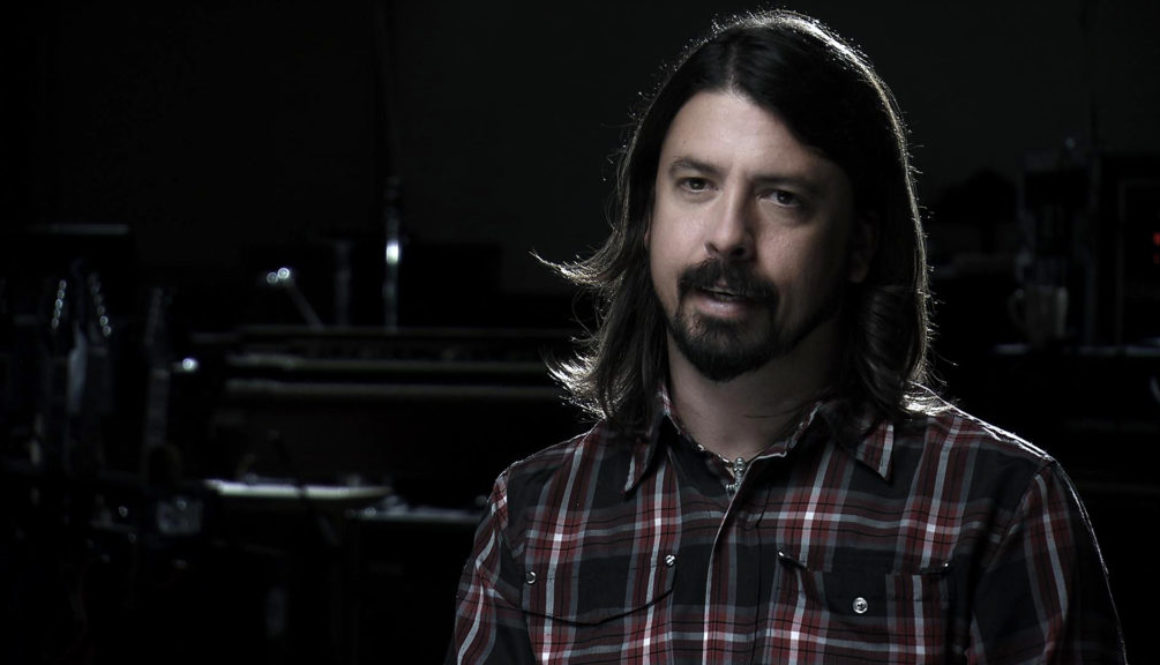
Foo Fighters: Back and Forth, directed by Oscar, Emmy, and Grammy winner Director James Moll, looks into the 16 year history of the band Foo Fighters and encompasses excellent direction, storytelling and a distinct look like no other documentary. Keith Roush, Senior DI Colorist at ROUSH Media, provided color grading and restoration of archival footage for the documentary on Image System’s Nucoda Film Master. The “music video” look that was set for the band’s interviews came about in conversations during the DI sessions between the director, James, and Keith. The music video rock and roll look was achieved by creating deep rich blacks, with a soft sliver like glow for the skin and highlights.
ROUSH Media also provided the up-conversion and restoration of the archival footage from many various tape and digital formats, including ¾”, VHS, Hi8, DVD, Beta SP and DigiBeta. Using our Nucoda DVO image processing algorithms we up-rezzed and frame rate converted the footage, removed unwanted video noise, drop outs, and other artifacts that have accumulated over time within the footage. This further polished the film to restore 80’s and 90’s home video and MTV footage to the current HD standards audiences have come to expect.
Once the final grade and image restoration was complete we created the Digital Cinema Package and other deliverables for the various Theatrical and TV Versions.
ROUSH Media’s latest documentary project Foo Fighters: Back and Forth received the 2012 Grammy for Best Long Form Music Video. Foo Fighters: Back and Forth, directed by Oscar, Emmy, and Grammy winner Director James Moll, looks into the 16 year history of the band Foo Fighters and encompasses excellent direction, storytelling and a distinct look like no other documentary. Keith Roush, Senior DI Colorist at ROUSH Media, provided color grading and restoration of the archive footage for the documentary on Image System’s Nucoda Film Master. The “music video” look that was set for the band’s interviews came about in conversations during the DI sessions between James, and Keith. The music video rock and roll look was achieved by creating deep rich blacks, with a soft sliver like glow for the skin and highlights.
ROUSH Media also provided the up-conversion and restoration of the archival footage from many various tape and digital formats, including ¾”, VHS, Hi8, DVD, Beta SP and DigiBeta. Using our Nucoda DVO image processing algorithms we up-rezzed and frame rate converted the footage, removed unwanted video noise, drop outs, and other artifacts that have accumulated over time within the footage. This further polished the film to restore 80’s and 90’s home video and MTV footage to the current HD standards audiences have come to expect.
Once the final grade and image restoration was complete we created the Digital Cinema Package and other deliverables for the various Theatrical and TV Versions.